Tale of a Fourth Grade Nothing
Bird's bully meets the Law of Reciprocity
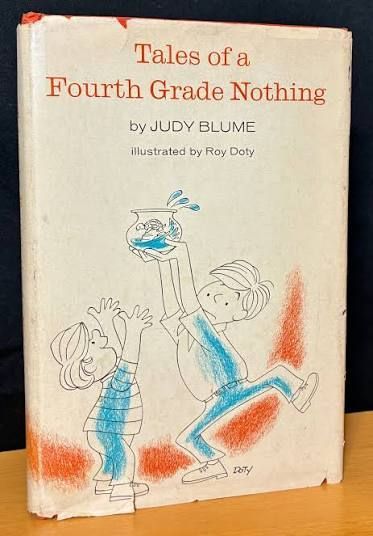
Tale of a Fourth Grade Nothing
Recently, a parent of a high schooler approached me at one of our Faulkner University football games and started explaining that her child was being bullied. It got me thinking about one of my favorite stories I tell about how my mother taught me to handle a bully, way back in the Cro-Magnon days of my fourth grade year.
In fourth grade, I hated the world, my school, my teacher, but most of all myself.
My teacher constantly misspelled my name, and beyond that she seemed to look the other way when students were picking on the fattest kid in the classroom. And this is no exaggeration – by this time in school, I’d become really inactive unless there was a television, a 32-ounce Coca-Cola and a family size bag of Doritos involved.
When we had to select a student to draw for art class one day, I picked a girl I thought was pretty. Of course, someone in the class chose me – but did not put their name on the artwork – and their portrait, when held up in front of the room, looked like a cross between the Michelin Man and Frosty the Snowman at full powder. Of course, when the teacher asked us to guess the names of the students, it was pretty easy to figure out which one I was.
I all-of-a-sudden got really “sick” and missed eight days of school during one grading period. My parents were summoned to the school, and my principal (who had been my dad’s first grade teacher) shook her head with disappointment that one of her students had allowed his own child to lay out of school. I remember some outstanding words of wisdom from my dad about going to school, or work: “You’ll never feel 100% every day, but if you don’t go, you’ll never know what a good day would have felt like.”
So, it was back to school no matter how I felt about the class.
And this kid who sat behind me was about fourteen years old in the fourth grade, while the rest of us were nine or ten.
His name was Corey. Every day, he bothered me. He’d slap my head really hard from behind, he’d draw on the back of my shirt during class, he’d walk by and throw all my books on the floor. Basically, Corey was a big bully.
When I complained about him, my teacher just seemed to blow it off as if I were from another planet. My mother came and sat in the classroom to watch, but as you might imagine this didn’t improve things – as a matter of fact, the bullying grew worse after he realized I had tattled.
But Mother was so right in the next instructions she gave, basing it on what she explained as the Law of Reciprocity.
“We’re going to be nice to Corey,” she said. “He may not ever be your friend, but he will respect you,” she continued.
“Yeah, right,” I thought, as we went to K-Mart on Atlanta Highway to pick out some toys for my new friend.
My mom was spending money on this thug! I couldn’t believe it. But she meant business and stuck by her promise.
When I gave him his gift, his eyes got really big. He actually tried to give it back. He cussed me. He didn’t want the pencil pouch or those Hot Wheels cars. He threw them on the floor.
Later that day, while our class was working, I heard the sound of wheels on the desk behind me. Corey was playing with his new Hot Wheels cars at his desk. He wasn’t slapping me, he wasn’t cussing me, and he wasn’t my friend. But from that day forward, he left me alone.
This real-time application of the Golden Rule changed my outlook for not only the rest of that school year, but to this day. While we often fail at this, it’s worth trying again, for there’s never much harm in being kind to others.
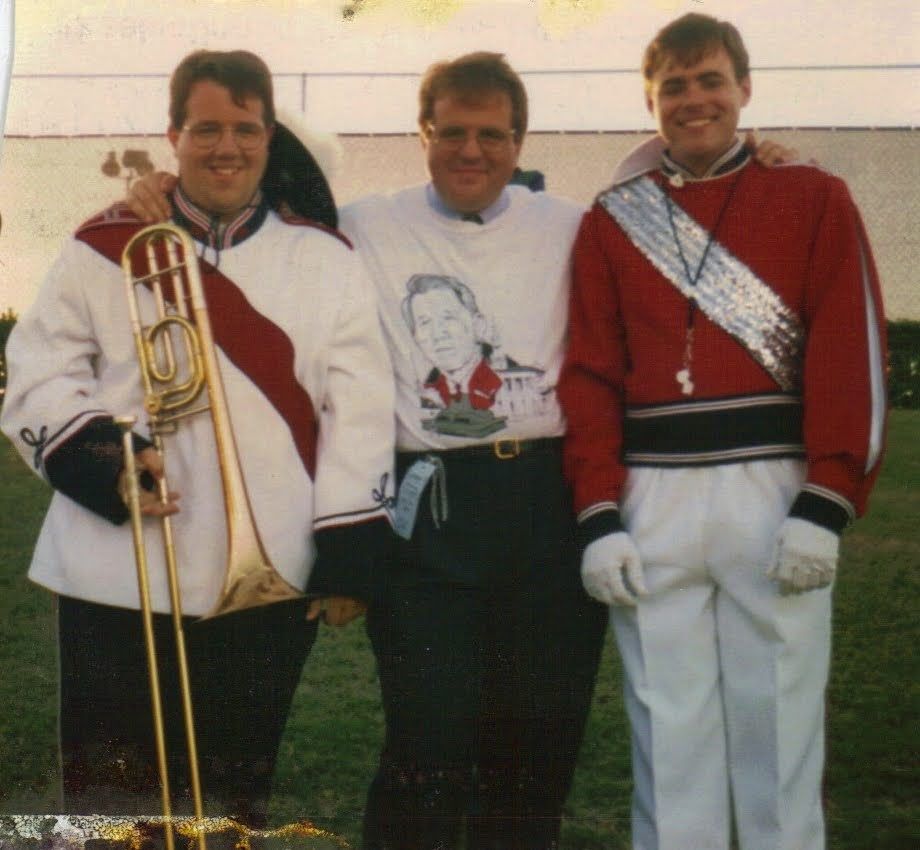
Michael Bird is an assistant professor at Faulkner University.