Living deliberately
New documentary on Alabama Public Television worth your time
“I wished to live deliberately”
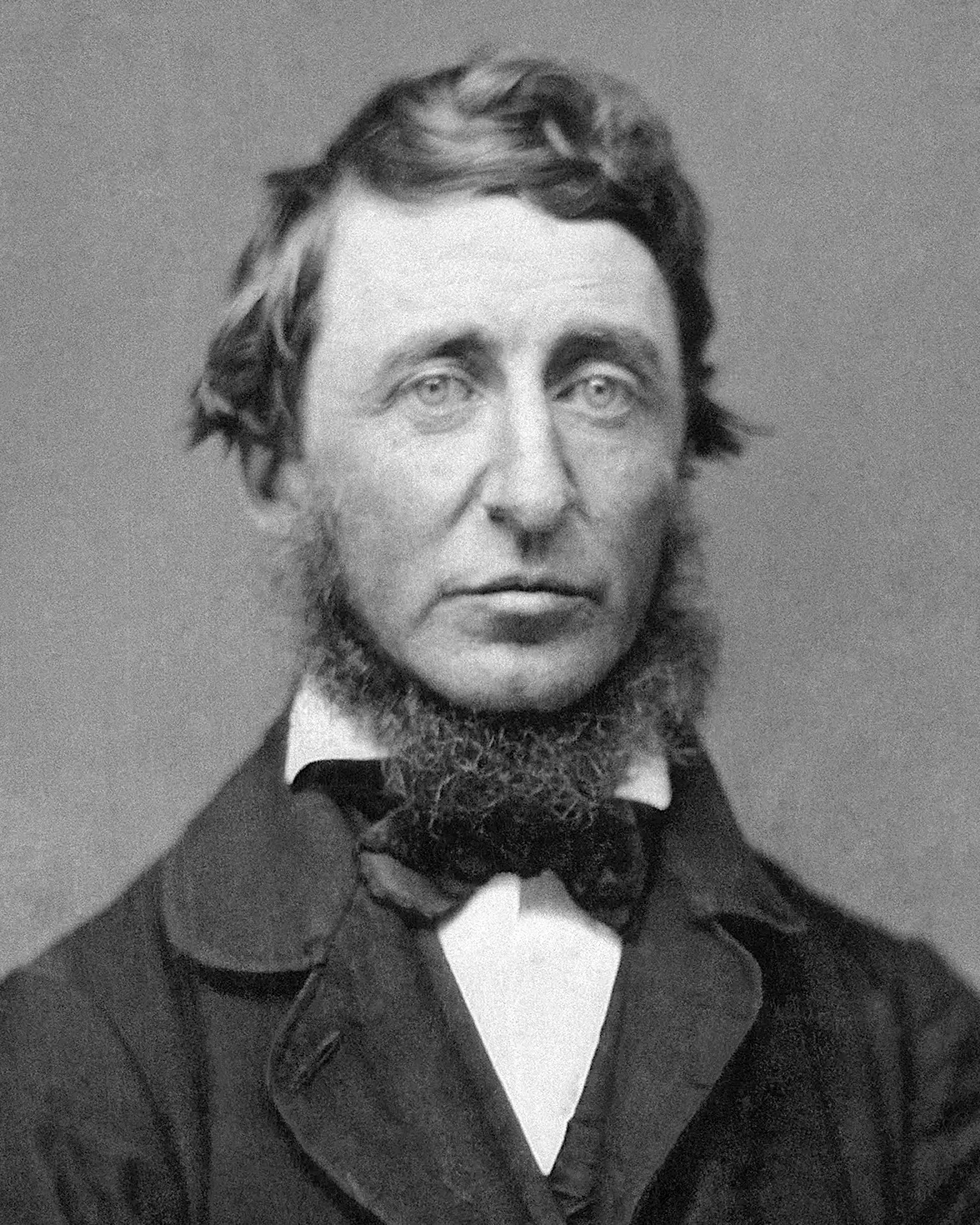
“I went to the woods because I wished to live deliberately, to front only the essential facts of life, and see if I could not learn what it had to teach, and not, when I came to die, discover that I had not lived,” wrote Henry David Thoreau. That first sentence, the mission statement that opens Thoreau’s book Walden, is permanently in my memory. Our eleventh grade English teacher at Robert E. Lee High School, Mrs. Karen Dennis, had all of us memorize that masterful sentence.
Over the past week and currently continuing on Alabama Public Television and the PBS app is the latest Ken Burns documentary project, simply titled HENRY DAVID THOREAU. This time around, Burns serves as executive producer alongside musician and Eagles drummer Don Henley. The film is directed by Erik and Christopher Ewers. Like every other Burns-helmed project, it is highly recommended viewing.
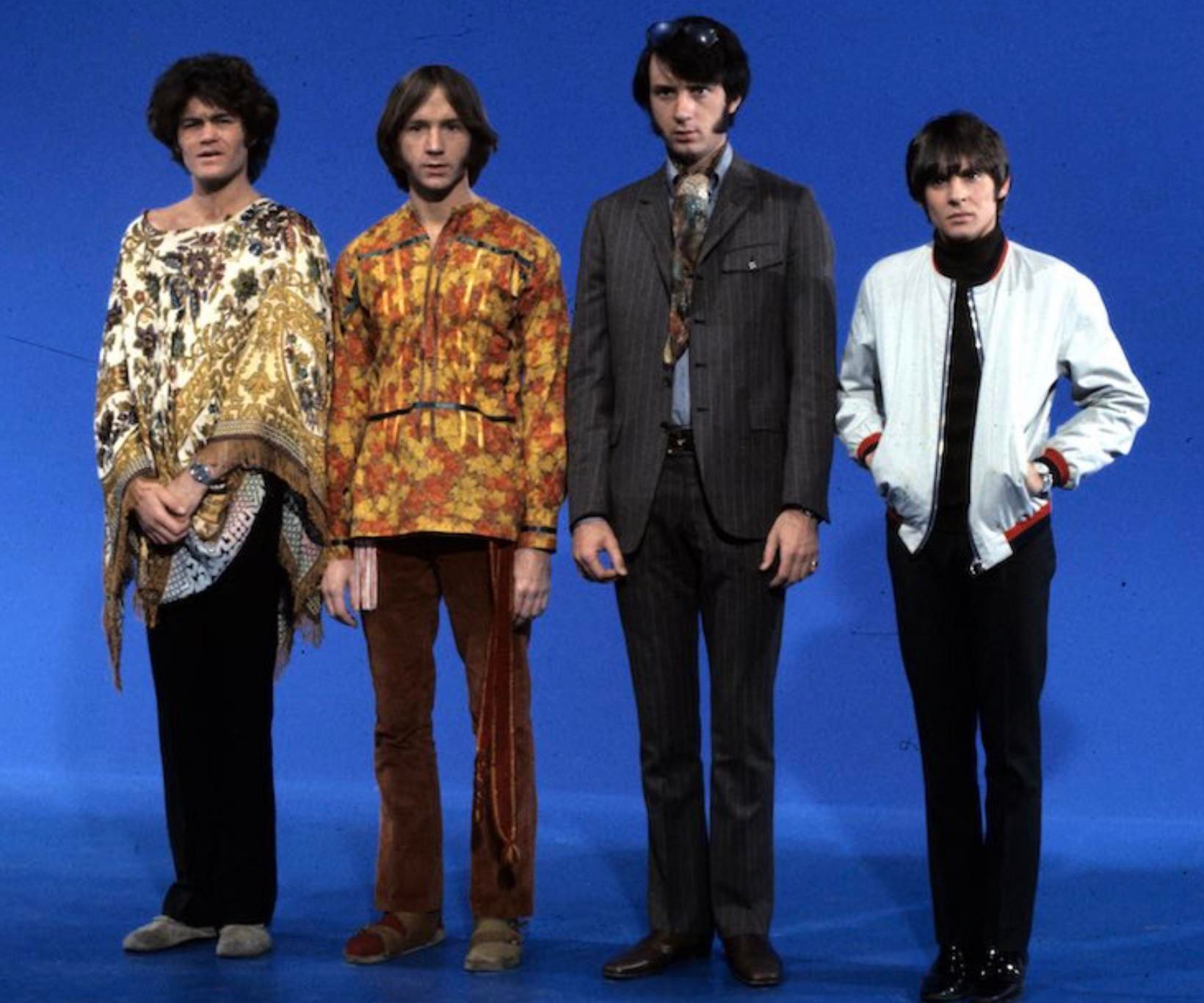
We remember Thoreau today for a few of his lines of prose that were either genius or prescient. For example, most people are familiar with “the mass of men lead lives of quiet desperation,” or “our life is frittered away by detail ... simplify, simplify!” Thoreau also coined the phrase “different drummer,” which is used often in our culture to describe someone whose attitude or behavior runs counter to everyone else. It was even featured in the Mike Nesmith-penned song made famous by Linda Ronstadt.
Thoreau’s writings, such as “Civil Disobedience,” also inform our modern world. His words directly influenced champions of the nonviolent protest movement such as Mahatma Gandhi, Malcolm X, and Martin Luther King, Jr.
Henry David Thoreau is presented as the proto-hippie: a great American writer and thinker who ultimately created the environmentalist movement, with his back-to-nature lifestyle and deep commitment to mysticism. The narrator for this documentary is George Clooney, while Thoreau’s voice is intoned by Jeff Goldblum. Goldblum proved to be an easy get for the producers, as he was a tremendous fan of the Ken Burns “Country Music” documentary series and gladly volunteered for duty. Soon, the producers were able to get Ted Danson to serve as the voice of Thoreau’s mentor, Ralph Waldo Emerson. The project grew from there to encompass not only Thoreau’s life as a naturalist, but as a thinker and influencer.
Thoreau was born in, of all places, Concord, Massachusetts: the battles of Lexington and Concord kicked off the American Revolution many years before his birth, but that revolutionary spirit imbibed his hometown. Concord was also the center of transcendentalism, which saw divinity in everything and informed the philosophical, spiritual, and literarary movements of the era. Ralph Waldo Emerson, Nathaniel Hawthorne, and Louisa May Alcott were Thoreau’s neighbors, all of them influencing one another.
When Thoreau was 27, with his own hands he constructed a 10-by-15-foot cabin on Walden Pond, on land owned by Emerson. Thoreau would live in Walden Woods for two years, two months, and two days. During that period, he spent much of his time fascinated by nature, documenting his every observation or thought in dozens of journals.
Despite what some may say, Thoreau was not a hermit during this time. He regularly walked into town to sell vegetables he grew, to do his laundry, or to visit with neighbors to hear the local gossip. It was during one of his visits to town when police arrested Thoreau for being six years behind on paying his taxes – Thoreau had withheld paying his taxes as a form of protest against the federal government’s condoning slavery. He spent the night in jail, but someone paid his tardy taxes for him, to his displeasure. The entire experience led to his work “Civil Disobedience.”
The documentary gives the viewer so much more to know about Thoreau than his Walden adventure. Thoreau worked in his family’s very successful pencil factory – ensuring that he always had writing implements for his over two million published words. He also worked as a surveyor and map maker, spent time as a school teacher, and traveled as a public speaker.
However, like any human being, there were occasions of inconsistent behavior. He was a passionate supporter of the man who started the Harper’s Ferry rebellion, John Brown, who was an anti-slavery fighter – and murderer. A few lines of truth: “the winds and the waves are not enough for him; he must needs ransack the bowels of the earth that he may make for himself a highway of iron over its surface” is a line about railroad tracks cutting through the wilderness; despite those words, Thoreau used rail travel in his public speaking career. “A government which deliberately enacts injustice and persists in it will at length ever become the laughingstock of the world … I say break the law; let your life be a counter-friction to stop the machine,” he wrote, and despite his abolitionist ways he did not always defend or even understand the Native peoples, at the time called Indians, the original inhabitants of our land.
Henry David Thoreau never married, never had children, and died from tuberculosis at age 44. The documentary concludes as Thoreau is fading away, as Goldblum reads some of his final words. “There is a season for everything. You must live in the present. Launch yourself on every wave. Find your eternity in each moment. Fools stand on their island of opportunities and look toward another land. There is no other land. There is no other life but this.”
HENRY DAVID THOREAU is available on Alabama Public Television and the PBS app. Michael Bird is an assistant professor at Faulkner University.